Stiff joints and muscle tightness aren’t only something you feel after a tough workout. Sitting at a desk all day, driving for long stretches, or even just waking up in the morning can leave you feeling a bit creaky. I’ve personally found that adding a few simple movement habits, what I call daily mobility routines, makes a noticeable difference in how I move and feel throughout the day. If you ever catch yourself wincing as you stand up or rotating your neck to drive, it’s probably a good time to add some easy mobility to your routine.
Why Mobility Routines Matter For Everyday Life
Daily mobility routines aren’t just for athletes or fitness buffs. Just about anyone can benefit from a few minutes of gentle movement each day, especially with how much time most of us spend sitting. Improved joint mobility doesn’t just help you feel better physically; it can even support your posture, reduce nagging aches, and help you stay more active for years to come.
I used to think stretching was enough, but I quickly learned that good mobility is a bit more than just holding a pose. Mobility is about moving joints through their full range, not about whether you can touch your toes. That’s why putting together a quick routine makes sense, for beginners and seasoned movers alike. Studies have shown that regular mobility work can improve flexibility, help prevent injury, and boost overall functional movement (Harvard Health).
Some physical therapists even point out that mobility, when practiced daily, can give a boost to circulation and support healthy muscle function well into your older years. Paying attention to habits now sets you up for better movement year after year.
What to Know Before You Start
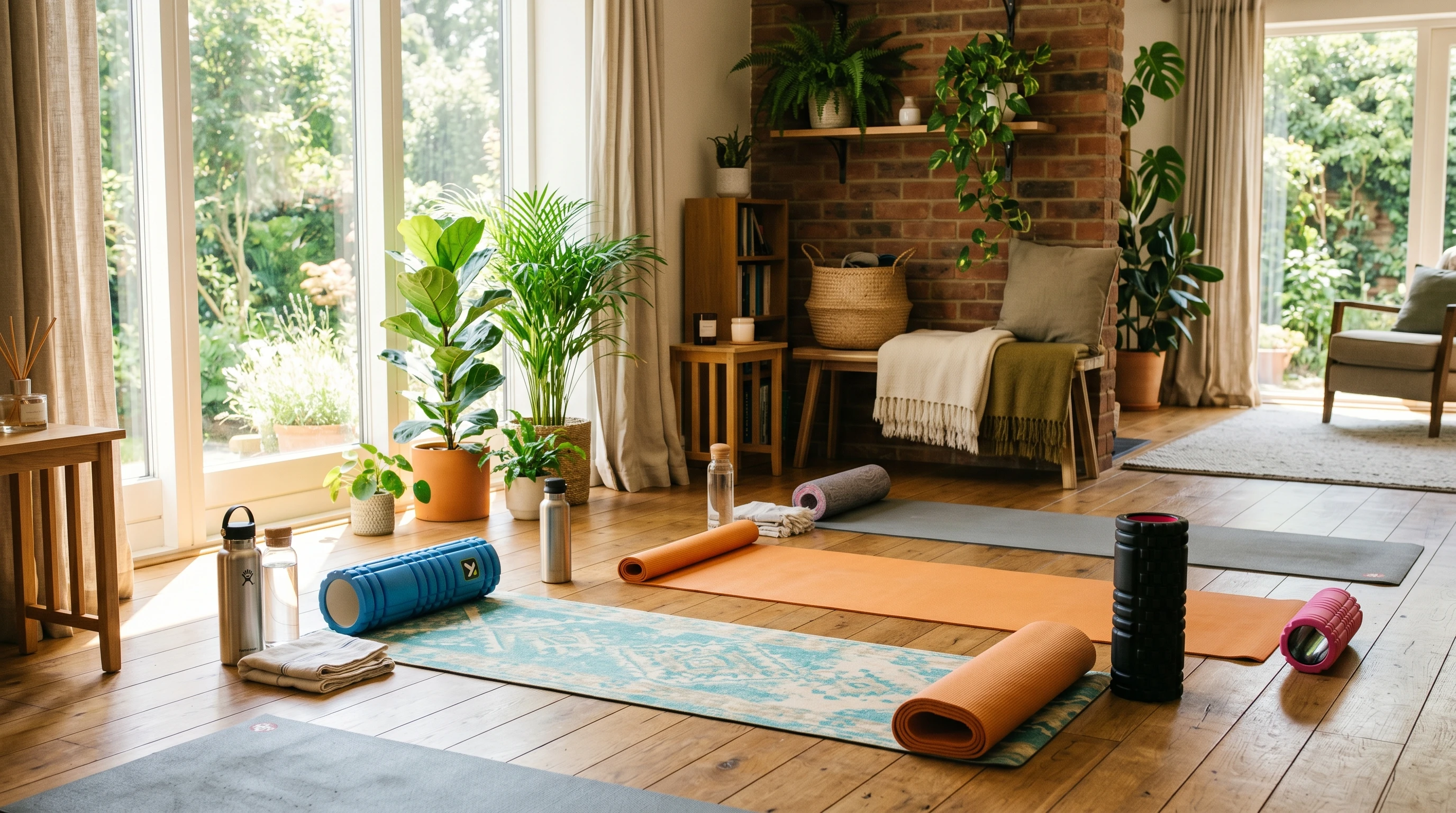
If you’re just getting started, the most important thing is to keep things gentle and accessible. You don’t need a gym, lots of gear, or even a full hour. A mat or carpeted spot is helpful, plus maybe a towel or a small pillow for padding. I usually do my routine right in my living room after rolling out of bed, or take five minutes to stretch during work breaks.
- Listen to your body: Aim for movements that feel challenging but not painful. Stop or adjust anything that causes discomfort.
- Consistency beats intensity: Five or ten minutes every day goes further than one long, intense session a week.
- No special skills required: No matter your fitness level or age, there’s some version of mobility that you can ease into safely.
Before you jump in, remember there’s no rush. Try a few moves, see how things feel, and give yourself credit for any progress—even if it’s just an extra minute or a little more ease in a movement.
Quick Start Guide: Simple Daily Mobility Routine
I’ve put together a basic set of movements that tackles most of the joints that tend to tighten up, especially if you sit a lot. You can do this routine in under 10 minutes. Here’s how to get going:
- Neck Circles: Slowly tuck your chin, roll your neck to one side, then the other. Take it slow. Repeat 4 to 8 times.
- Shoulder Rolls: Draw big circles forwards and back with both shoulders. Add some arm swings if it feels good. Try 10 reps each direction.
- Cat Cow: From hands and knees, arch your back up (cat), then dip your belly down with your gaze up (cow). Alternate 8 to 12 times.
- Hip Circles: Place your hands on your hips, stand tall, and make slow circles with your hips. Aim for 6 each direction.
- World’s Greatest Stretch: Step one leg forward into a gentle lunge, reach your opposite arm overhead or twist open toward your knee. Hold for a few seconds. Do 3 rounds each side.
- Ankle ABCs: Lift one foot and trace the alphabet in the air with your toes, good for loosening up those ankles. Repeat on both sides.
Each move is designed to get multiple joints moving, which really adds up over time. It feels pretty satisfying to notice less stiffness when you first get up or after you’ve been at your desk most of the morning.
If you like, you can mix up the order or add extra movements over time. Maybe throw in wrist circles, side bends, or light twisting movements to keep things feeling fresh. Adjusting things to fit with your mood and needs keeps routines interesting and helps you stick with them.
Things You Might Want to Think About Before You Jump In
Adding new habits is always a process, and there are a couple of hurdles people run into with mobility. Here are some practical tips I’ve found helpful for making it stick and keeping things positive:
- Time Management: Start small—even just a two-minute stretch break can make a difference if it fits your schedule better.
- Pain or Injury: If you have any chronic conditions or injuries, check in with a physical therapist or doctor before making big changes.
- Motivation: Pairing stretches with a daily habit, like after brushing your teeth or before coffee, keeps you on track without taking extra mental energy.
Time Management
Busy schedules can get in the way, but small pockets of mobility work still help. I’ve found it works best to set a reminder on my phone or stick a note on my laptop to nudge myself. Even a bit of stretching while waiting for the kettle is worth it. Over time, these extra moments really add up, and you may even catch yourself looking forward to them.
Pain or Injury
Mobility exercises should never hurt. Some stiffness is normal, but sharp pain isn’t. If you deal with arthritis, chronic pain, or recent injuries, a customized plan from a healthcare pro is always safest. They can suggest gentle options that protect joints and get them moving in a low impact way. Also, don’t hesitate to ask questions about what movements are safe for your specific situation.
Motivation
Building any new habit can be tricky, but for me, tying mobility work to an existing routine, like before I make my morning coffee, takes away the pressure. Apps and YouTube channels offer quick demonstration videos if you ever need variety or extra encouragement. Some people also like joining online challenges or tracking progress in a journal; finding what lights your spark can help keep you going.
Level Up: Mobility Techniques for Better Results
Once the basics feel comfortable, there are a few extra ways to give your mobility sessions a boost:
Add a Foam Roller: Rolling muscles before or after stretching can loosen up stubborn spots. I especially like targeting my hips and calves; feels like a mini massage.
Try Dynamic Movements: Instead of holding stretches, add gentle, controlled movement. For example, leg swings or arm circles. Dynamic moves wake up your nervous system and get blood flowing.
Focus on Breathing: Pairing slow breaths with each stretch not only calms your mind but also deepens your mobility. I inhale as I move into a stretch and exhale as I move out.
You can also experiment with resistance bands or light weights when you’re ready, but that’s optional. The idea is to keep mobility accessible and enjoyable, meeting you where you are each day.
Small bonus: once you start moving more, your everyday energy gets a lift. Climbing stairs, carrying groceries, or even just getting up from the floor gets easier, which is pretty handy over the long haul.
How Mobility Fits Into Real Life
Most people I know think of mobility as something you do after a workout, but it’s really helpful throughout the day. Here are a few common situations where a good mobility routine comes through:
- Desk Jobs: If you work at a computer, moving your shoulders, wrists, hips, and neck every hour or so helps prevent that hunched, stiff feeling.
- Long Drives or Travel: Tight hips and ankles are the usual suspects after being in the car or on planes. A quick routine when you stop gets your joints back on track.
- Morning Wakeups: Mobility exercises right after getting out of bed can ease you into your day. Your body wakes up along with your mind!
I also like to use mobility before heavier exercise. It feels like prepping my body, not just stretching. It cuts down on the chances of straining something if I go for a run or hit the gym. Even on recovery days, light mobility keeps circulation going and helps sore muscles bounce back a little quicker.
Parents may even notice how younger kids instinctively move, squat, and roll around; it’s only as we get older that we start to stiffen up. Keeping mobility playful and simple can help the whole family stay active together.
Common Questions About Daily Mobility Routines
People often ask me how to keep mobility routines easy and effective. Here are some questions that come up a lot:
Question: How often should I do mobility routines?
Answer: Daily is ideal, even if it’s just a few minutes. Your joints will thank you for showing up consistently, not just occasionally.
Question: Should I stretch before or after exercise?
Answer: For most people, dynamic mobility before activity works best. Save longer, static stretches for after you’re done moving.
Question: Can mobility work replace regular exercise?
Answer: Mobility routines are a great addition, but don’t totally replace other forms of movement. Mix in walking, strength training, or cardio for a well rounded routine.
Question: How long before I notice improvements?
Answer: Many notice a difference after a week of consistent practice, sometimes sooner. More mobility often translates to easier mornings and fewer aches by the end of the day.
Question: Is there a best time of day for mobility routines?
Answer: Any time that fits your schedule is a good time. Some prefer mornings to wake up their bodies, while others like to unwind and relax muscles after work. Play with timings to find what works best for you.
Getting Started With Your Own Routine
Daily mobility routines are one of the simplest, most practical ways to keep stiffness under control, and they don’t take much time. Whether you’re easing into movement after an injury, want to fight off stiffness from working at a desk, or just want to feel your best, a personalized routine is always worth trying. The trick is to start small and stay consistent. Your joints and muscles will reward you with better movement, and probably a better mood, too. Stick with it and notice how your body responds day by day! With some patience and creativity, daily mobility can become a favorite part of your self care routine.