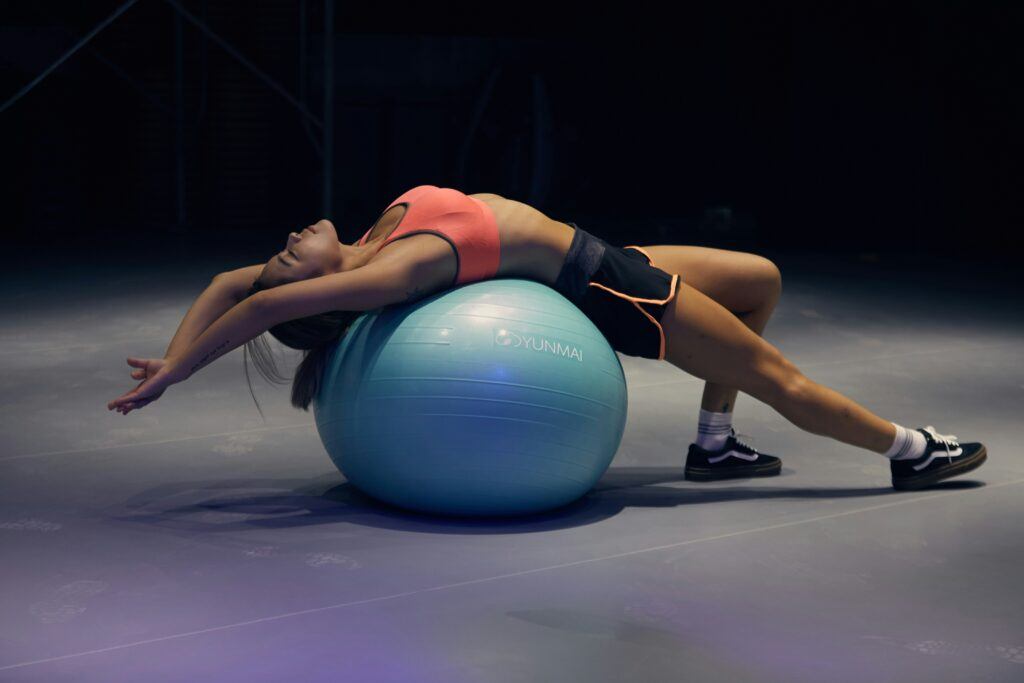
 Staying flexible isn’t just for gymnasts and yoga pros. Flexibility benefits everyone, helping with better posture, fewer aches, and even lowering the risk of injury during daily activities. One of the best things about flexibility exercises is you don’t need fancy equipment or lots of space. You can sneak in a stretch anywhere, anytime, making these moves truly accessible for almost everyone.
Many of us sit for long periods, whether it’s at a desk, in the car, or on the couch. That can leave muscles stiff and tight, making it tough to move freely. The good news is that a few minutes of daily stretching can help your body feel looser and more comfortable in almost any situation. It can even boost your mood and improve circulation—stretching truly gives your wellbeing a boost on multiple fronts.
I’ve put together some of my favorite flexibility exercises you can do just about anywhere. No equipment needed; just your body, a bit of space, and maybe a little motivation to get started. You might even inspire a friend or coworker to join you—stretch breaks can be fun and social.
1. Neck Stretches for Everyday Relief
Stiff neck? You’re not alone. Daily habits like looking at phones or hunching over laptops can leave your neck muscles feeling tight and sore. Gentle neck stretches are pretty handy for easing tension and improving your comfort, even while sitting at your desk.
How to Do a Simple Neck Stretch:
- Sit or stand upright, shoulders relaxed.
- Slowly tilt your head toward your right shoulder, holding for 10 to 15 seconds. You should feel a gentle stretch on the left side.
- Return to center and repeat on the left side.
- Repeat each side two or three times.
This move can be done almost anywhere, whether you’re working or waiting in line. Make it a habit and you might notice less discomfort and even better focus throughout your day.
2. Shoulder Rolls to Ease Upper Body Tension
Shoulder rolls are super useful for people who spend lots of time typing, carrying bags, or working with their arms in front of them. They loosen up the shoulders, upper back, and neck, a common area for tension. You don’t have to wait until your shoulders feel tight—doing these rolls a few times a day is a proactive way to keep stiffness at bay.
How to Do Shoulder Rolls:
- Sit or stand up straight with arms at your sides.
- Roll your shoulders forward in a circular motion ten times.
- Reverse direction and roll shoulders backward ten times.
Shoulder rolls don’t require any special setup, so they’re easy to fit into your day whenever a quick reset is needed. Try them between tasks to refocus and reenergize.
3. Chest Opener for Better Posture
Tight chest muscles make it hard to stand tall and can lead to rounded shoulders. Opening up the chest helps counter act all that slouching from long hours of sitting or using electronics. Good posture also makes you look more confident and feel less fatigued.
How to Open Up Your Chest:
- Stand tall with feet hip width apart.
- Clasp your hands behind your back (or grab a towel if you can’t quite reach).
- Straighten your arms and gently lift your hands away from your back while squeezing shoulder blades together.
- Hold for 15 to 20 seconds and breathe deeply.
This stretch is great after a long work session or whenever you want to feel reenergized. Use it as a midday pick-me-up.
4. Standing Side Stretch for Your Sides
Reaching up and over with a side stretch does wonders for the muscles along your torso. It’s a simple way to relieve tightness from sitting, driving, or standing for long periods. It also helps you move your spine in ways you usually don’t during daily routines.
How to Do a Standing Side Stretch:
- Stand with feet slightly apart.
- Raise your right arm overhead and lean gently to the left, keeping your body in one plane (avoid twisting forward or back).
- Hold for 10 to 15 seconds, feeling the stretch along your right side.
- Switch arms and stretch to the other side.
Try a few rounds on each side to quickly wake up your core and get your body moving. Stretching your sides helps you breathe more deeply, too.
5. Seated Spinal Twist for a Healthy Back
Twisting stretches are really important for your spine and core. They help ease tension from sitting and keep your back flexible. Regular twists may reduce back discomfort and even help with digestion.
How to Do a Seated Spinal Twist:
- Sit on the floor (or even in a chair) with your legs extended.
- Bend your right knee and plant your foot outside your left thigh.
- Twist your torso to the right, placing your left elbow outside your right knee for extra leverage.
- Hold for 15 to 20 seconds, then switch sides.
This move helps with back comfort and gives your hips a gentle stretch, too. Incorporate it after prolonged sitting for a refreshing break for your spine.
6. Hip Flexor Stretch for Looser Hips
Sitting for hours shortens the hip flexors at the front of your pelvis, making it harder to stand straight or walk comfortably. A hip flexor stretch lengthens these muscles and can ease lower back discomfort. Flexible hips are key for mobility and long term joint health.
How to Do a Basic Hip Flexor Stretch:
- Kneel on your right knee (use a cushion for comfort) with your left foot in front, knee bent at 90 degrees.
- Shift your weight forward until you feel a stretch across the front of your right hip.
- Hold for 15 to 20 seconds, switch sides.
If kneeling isn’t comfortable, you can adapt this stretch while standing by stepping forward into a gentle lunge and keeping your back leg straight. Over time, you’ll notice standing and walking feels easier.
7. Forward Fold to Release Legs and Back
A standing forward fold loosens up the hamstrings, lower back, and even calves. It’s quick and feels amazing after being on your feet or after sitting for a while. This stretch can help reduce tension in your whole back line and is especially liked by runners.
How to Forward Fold:
- Stand with feet hip width apart, knees slightly bent.
- Slowly bend forward from the hips, letting your arms and head hang down toward the floor.
- Hold for about 15 seconds. You should feel the stretch in your hamstrings and lower back.
Bend your knees a bit more if you feel too much pull in the back of your legs. This stretch is easy to do at home, at work, or in any open space and helps you reset your posture.
8. Calf Stretch Against a Wall
Tight calves can cause discomfort in your feet, knees, or even your back. A wall calf stretch helps keep everything below the knee feeling looser. Flexible calves support daily walking and athletic activities by letting your ankle move more freely.
How to Stretch Your Calves:
- Stand facing a wall and place both hands on it for support.
- Step one foot back, keeping that heel on the floor, and bend your front knee.
- Keep your back knee straight and feel the stretch at the back of your lower leg.
- Hold 15 to 20 seconds, then switch legs.
This move is perfect after walking, running, or just needing a bit more spring in your step. Flexible calves are linked to improved balance and stability, too.
9. Wrist and Forearm Stretch to Beat Computer Cramps
If you type, text, or cook a lot, your wrists and forearms can end up stiff. Keeping them limber makes using your hands more comfortable, and regular stretching may even lower your risk of repetitive stress injuries.
How to Stretch Your Wrists and Forearms:
- Extend one arm in front of you, palm up.
- With your other hand, gently pull back on your fingertips, holding for ten seconds.
- Flip your arm so your palm faces down and pull the hand toward your body for a different stretch.
- Repeat both stretches on each side.
These can be done at your desk, in the kitchen, or even while watching TV. Try making them a regular part of your evening wind down routine.
10. Ankle Circles for Balance and Mobility
Ankle flexibility matters for balance and overall stability. Ankle circles wake up those small muscles and help fend off stiffness. They’re especially helpful before exercise or after long periods of sitting.
How to Do Ankle Circles:
- Sit or stand and lift one foot off the ground.
- Gently rotate your foot in circles ten times each direction.
- Switch feet and repeat.
I find it’s easiest to sneak these in while sitting at your desk, on a call, or even while waiting for your coffee to brew. Small, consistent movements keep your joints healthy.
Tips for Safe and Effective Stretching
- Warm up with light movement, like marching in place, before deeper stretches.
- Move slowly and avoid bouncing, which can cause strain or small injuries.
- Breathe deeply and relax into each stretch, never stretching so far it feels painful; stay tuned in to your body’s limits.
- Consistency is more important than intensity. Stretching a little every day adds up to big improvements over time.
- Listen to your comfort level and make adjustments as you become more familiar with what your body needs.
Mixing in these flexibility exercises regularly keeps your body feeling free and comfortable, no matter where you are. Whether you’re at your workspace, in your livingroom, out in the park, or traveling, taking a few moments to stretch isn’t just about flexibility. It’s about feeling your best every day and building habits that support your health for the long haul. So the next time you feel stiff, pause and give your muscles a gentle stretch. You’ll be surprised at how much lighter and more energetic you feel in just a few minutes.