Building strength as an older adult can be truly rewarding. I’ve seen firsthand how staying active and strong leads to more independence, less pain, and just a better quality of life overall. If you’re looking for straightforward advice on how to get into strength training in your later years, I’m breaking down all the practical steps and tips to get started safely and confidently.
Why Strength Training Matters for Older Adults
Strength training isn’t only for athletes or bodybuilders. It’s a simple but super useful way to keep your body working well as you age. Maintaining strong muscles helps with everyday things like climbing stairs, carrying groceries, and keeping your balance. It also supports bone health, which is really important for preventing falls or breaks down the road.
On top of that, strength exercises help slow down muscle loss that’s common as you get older. Studies show that muscle mass naturally drops off as we age, but regular strength training makes it much easier to stay active and steady on your feet. The Centers for Disease Control and Prevention (CDC) even points out that adults over 65 can see real benefits from just a couple of days a week of strength exercises.
What to Know Before You Start Strength Training
Before I started any new routine, I always checked in with my doctor. This is a good move for anyone, especially if you have health conditions or joint issues. Let your doctor know you want to start strength training; they can let you know if any modifications are needed.
Warming up is also really important. A few minutes of gentle movement, like walking, marching in place, or light stretching, prepares your muscles and joints for more activity. This simple habit helps lower the risk of injury and makes your workout more comfortable.
Simple Strength Training Exercises for Beginners
Getting started doesn’t mean jumping right into heavy weights or complicated workouts. The best approach is to stick with basic moves that work large muscle groups and use your body weight first. Some popular and jointfriendly exercises include:
- Chair Squats: Stand in front of a sturdy chair. Slowly lower yourself to a seated position, then stand back up. This works your legs and balance, and you can use the chair for support.
- Wall Push-Ups: Stand a few steps away from the wall with your hands at shoulder height. Lower your chest toward the wall and push back. This one’s easier on the wrists and shoulders than classic pushups.
- Seated Rows with Resistance Bands: Sit on a sturdy chair, loop a resistance band around your feet, and gently pull the ends toward your waist to work your back and arm muscles.
- Standing Calf Raises: Hold onto a counter for balance, then lift your heels off the floor and slowly lower them. This move strengthens lower legs and boosts stability.
- Bicep Curls with Light Dumbbells or Cans: Hold a weight in each hand and curl it up toward your shoulder. Start light—even soup cans are fine.
You don’t need a ton of equipment to get started. Many exercises use your body weight, and simple tools like resistance bands or light dumbbells add plenty of variety and challenge as you get stronger.
How to Set Up a Simple Strength Routine
A good beginner routine includes working most of your main muscle groups; legs, back, chest, shoulders, and arms; two to three times per week. I’ve found that starting with just one set of 8–10 repetitions for each exercise is plenty for beginners. As you get more comfortable, you can add a second set or try slightly heavier weights or stronger resistance bands.
- Pick Four to Six Exercises: Make sure you’re including moves for your lower body (like squats or calf raises), upper body (like wall pushups or bicep curls), and core (like seated marches or gentle pelvic tilts).
- Focus on Good Form: Go slow and steady; quality is more important than how many reps you do. Watch videos or work with a trainer to nail down the right posture and technique.
- Rest Between Exercises: Take 30–60 seconds to catch your breath between moves. This keeps things manageable and gives your muscles time to recover.
Be sure to listen to your body. If something hurts (not just regular muscle fatigue, but sharp or lasting pain), stop and try a gentler move or check in with your provider.
Tips for Staying Safe and Motivated
- Start Low, Go Slow: Begin with lighter weights or resistance bands. It’s easier and safer to move up gradually than to scale back after overdoing it.
- Be Consistent: Setting a regular schedule, like Monday, Wednesday, and Friday, makes it easier to build the habit. Even short workouts (15–20 minutes) make a big difference over time.
- Mix Things Up: If you get bored, try new exercises or change your setting. Resistance bands and light dumbbells are both portable, so you can easily work out at home or even outdoors.
- Connect with Community: Whether you join a class at the local gym or invite a friend to exercise, having someone to check in with makes it more fun and keeps you on track.
- Celebrate Progress: Track your reps, how much weight you use, or even how many times you’ve exercised in a week. Seeing improvement is really motivating.
Common Mistakes to Avoid
- Skipping Warm-Ups/Cool-Downs: Both are really important for muscle health and recovery.
- Jumping Ahead Too Quickly: It’s tempting to add too much resistance too fast. Stick with small increases to avoid strains and aches.
- Ignoring Good Form: Quality of movement always beats quantity or speed. Take your time with each repetition.
- Neglecting Balance and Core: Strength and stability go together, so throw in a couple balancefocused moves each session.
Adjusting Strength Training for Health Concerns
Many older adults deal with arthritis, osteoporosis, or other chronic issues. Strength training can actually help manage these, but some modifications make it safer and more comfortable. For example, you might use lighter weights, stick with more jointfriendly movements, or avoid floor exercises if getting up and down is tough.
If you take medication that affects balance or blood pressure, aim to exercise in a spot where you have something sturdy to hold onto. And always keep water and a phone nearby, just in case. If you’re unsure about a particular move, there are physical therapists and trainers who specialize in working with older adults; they can help adapt a plan that fits you perfectly.
What Equipment is Worth Checking Out?
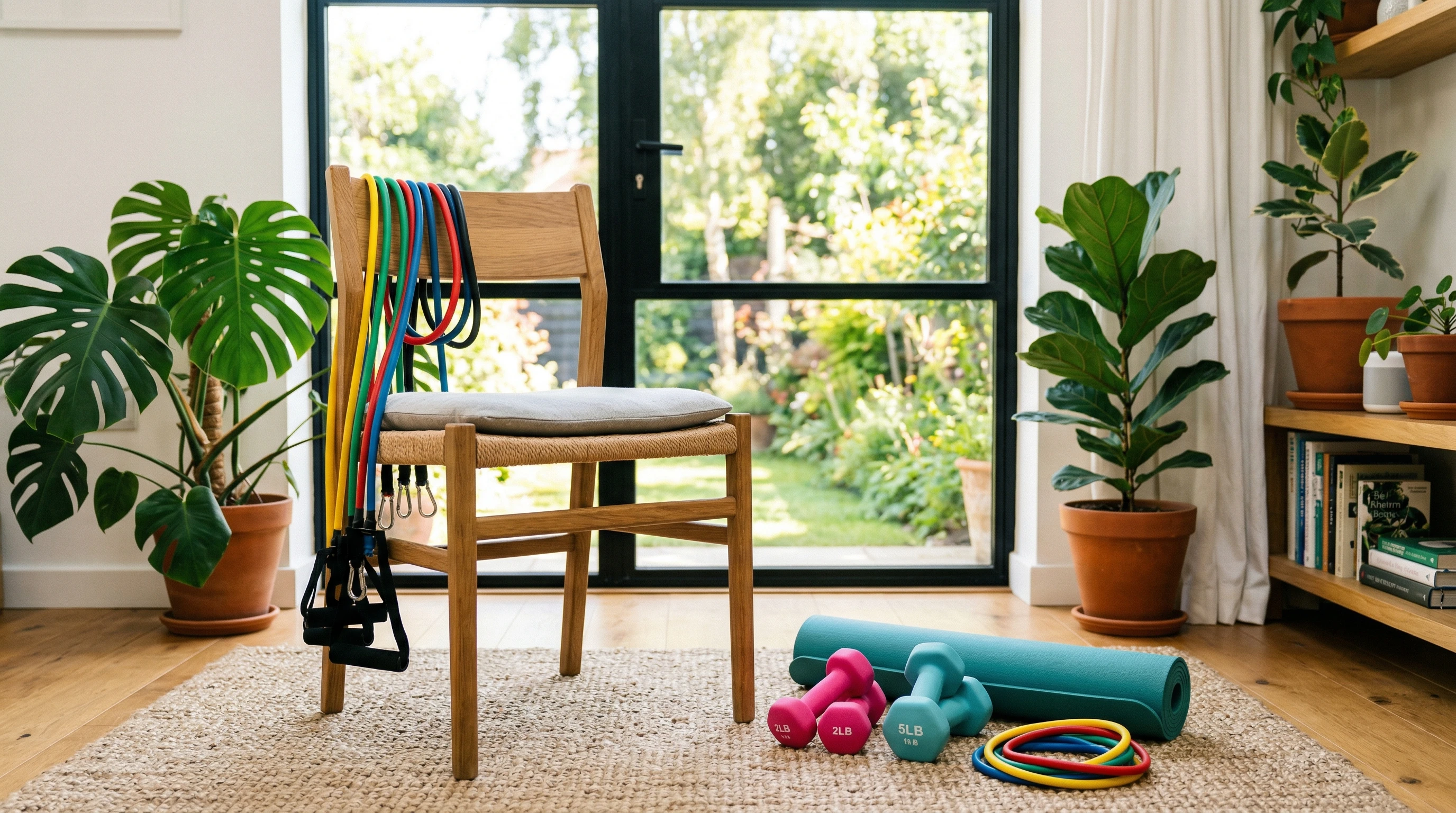
If you want to pick up a few basics, resistance bands are super useful, affordable, and don’t take up much space. Light dumbbells (1–5 pounds) are good for arm work, and a sturdy chair is handy for support with standing moves. Some people like having a yoga mat for extra cushion on the floor or for seated exercises. You definitely don’t need fancy gadgets to make progress—the simpler, the better when you’re just starting out.
- Resistance Bands: They come in different strengths and work well for both upper and lower body moves.
- Dumbbells: Lightweight and perfect for curls, presses, and shoulder raises.
- Stable Chair: Offers great support for squats and balance exercises.
- Ankle Weights (Optional): These can work for gentle leg strengthening once you feel ready.
Frequently Asked Questions
Question: How often should I do strength training as an older adult?
Answer: Two to three times per week is a good target. Give yourself at least one rest day in between sessions so your muscles can recover.
Question: Can I strength train if I’ve never exercised before?
Answer: Absolutely. Start small with bodyweight exercises or light bands, and focus on good form. I’ve watched a lot of people get stronger and more confident by starting slow and building up gradually.
Question: What if I have arthritis or joint pain?
Answer: Strength training can actually help ease joint pain, but it’s best to pick jointfriendly moves and avoid anything that aggravates your symptoms. Consulting with your doctor or a physical therapist is a good call if you want a customized plan.
Question: Is it ok to use everyday objects if I don’t have weights?
Answer: Yes, cans of soup, filled water bottles, or even bags of rice all work for easy resistance. The key is using something that feels manageable so you can control your movement.
Quick Ideas for Making Strength Training Part of Everyday Life
Adding movement into your routine can be easier with a few tweaks. Keep resistance bands by your favorite chair, sneak in a few squats while waiting on the kettle, or do wall pushups during TV commercials. Strength training isn’t only about gym workouts; it’s doing a little bit, more often, so you feel better day by day.
Staying strong as you age is all about finding simple steps that fit your lifestyle. Take it at your own pace, listen to your body, and enjoy the progress along the way. Every bit you do makes a difference!