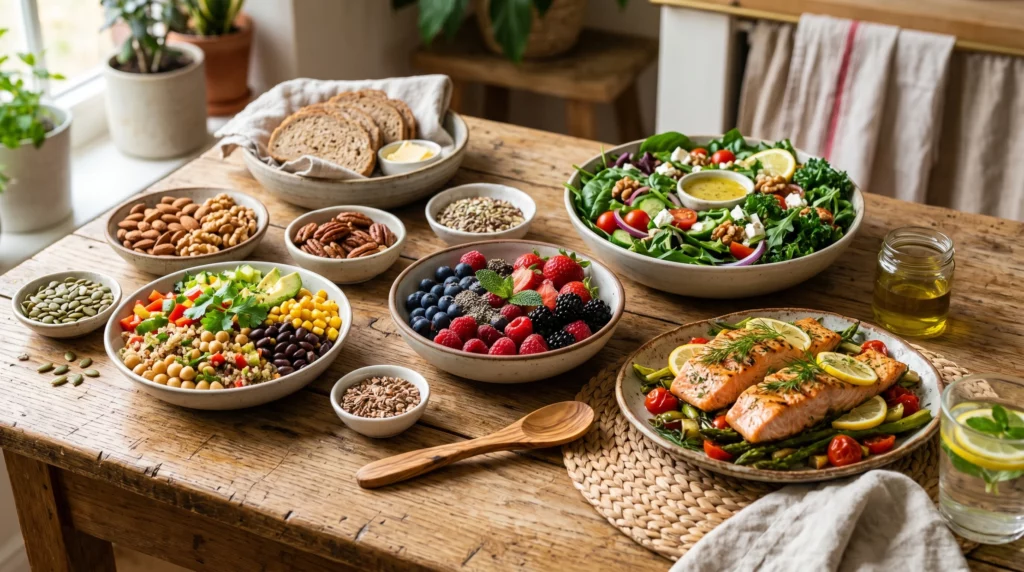
Staying active and healthy gets a bit trickier as we get older, but nutrition makes a massive difference. I often get asked about which nutrients are really important for seniors who want to keep up their fitness levels. Age can bring a drop in appetite or changes in how the body processes food, which means some nutrients can get harder to absorb or include in enough quantity. Here’s a chance to get into the core nutrients and some practical ways to help support senior fitness through what you eat.
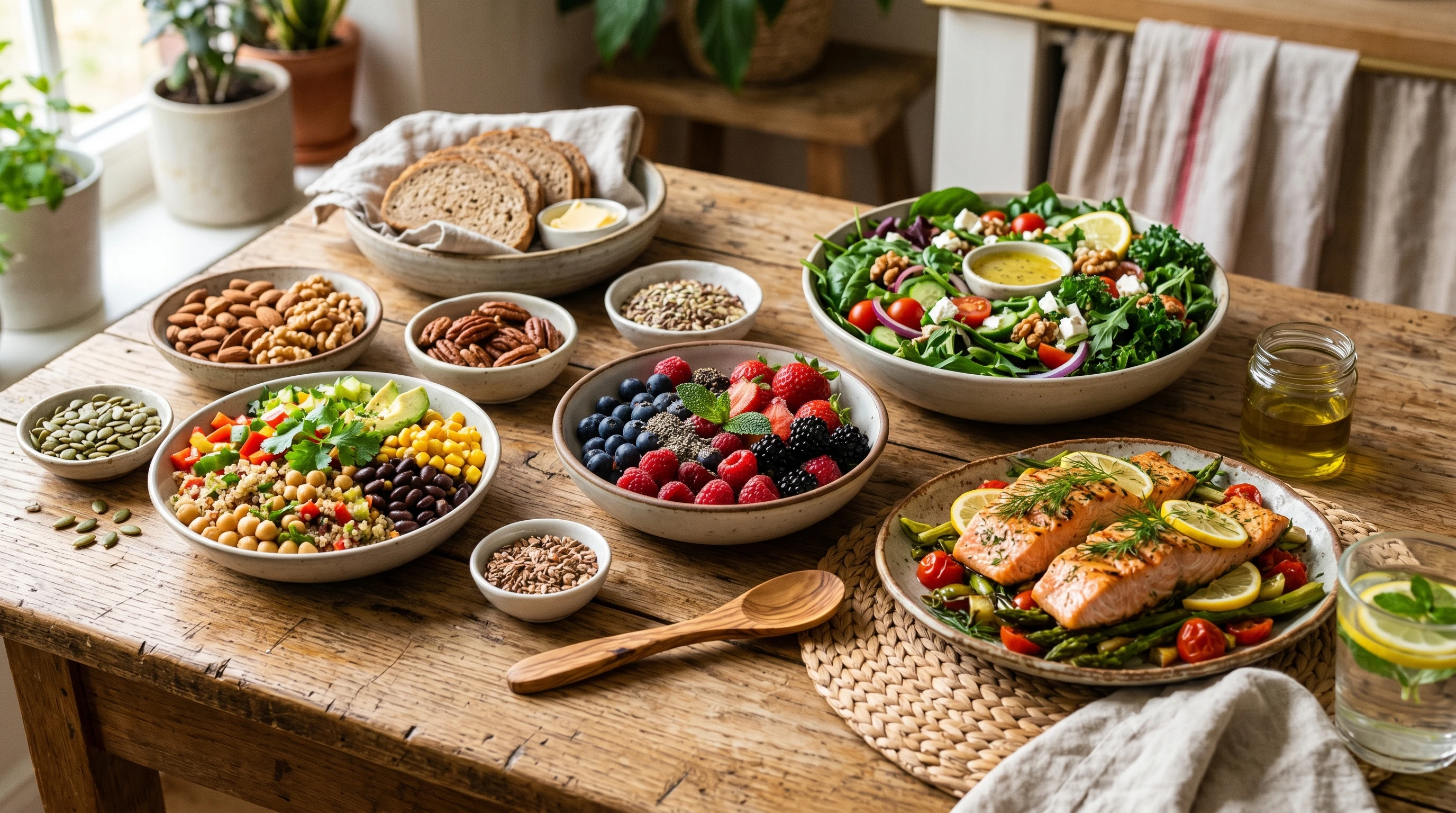
The Importance of Nutrition for Senior Fitness
As people age, metabolism often slows down, and muscle mass naturally starts to decrease. This process, sometimes called sarcopenia, is common in adults over 60. Good nutrition provides the building blocks your body needs for muscle repair, immune support, and energy, which are all really important for staying mobile and enjoying everyday activities.
A well balanced diet can improve workout recovery, help maintain a healthy weight, and even boost mood and mental sharpness. Many seniors find that prioritizing nutrient intake leads to better results from their exercise routines and just makes daily life feel easier and more enjoyable.
Nutrients Every Active Senior Needs
I’ve spent a lot of time reading up on which vitamins and minerals are worth paying attention to for older adults who want to keep moving and feel their best. Here are the main nutrients I always recommend focusing on:
- Protein: Helps build and repair muscle tissue, prevents muscle loss, and supports strength.
- Calcium: Key for bone health and helps prevent fractures.
- Vitamin D: Supports calcium absorption and boosts immune function.
- Omega-3 Fatty Acids: Aid in heart health and fight inflammation in the body.
- Fiber: Keeps digestion running smoothly and supports heart health.
- Magnesium: Important for muscle function and energy production.
- B Vitamins: Fuel energy metabolism and brain function.
- Potassium: Helps muscle contraction, nerve signals, and fluid balance.
Protein: The Muscle Supporter
Maintaining muscle is one of the most important parts of senior fitness, since more muscle leads to better mobility and faster recovery after activity. Protein needs often go up a little with age, especially if you’re staying active. Lean meats, eggs, Greek yogurt, cottage cheese, beans, nuts, and hearty grains like quinoa are all solid choices for older adults.
For seniors who have a tough time getting enough protein, adding a smoothie with protein powder or snacking on nuts and cheese can be an easy boost. Even something as simple as adding an egg at breakfast makes a noticeable difference. Other quick protein-rich snacks can include Greek yogurt with berries or peanut butter on wholegrain toast, giving a steady supply of amino acids to help with muscle maintenance.
Calcium and Vitamin D: Bone Health Basics
Bones become more brittle with age, so bone-supporting nutrients get more important over the years. Calcium is found in dairy, tofu, sardines, and leafy greens. Vitamin D is harder to get from food; fatty fish, egg yolks, and fortified foods provide small amounts, but many people need sunlight exposure or supplements to hit their targets.
I always suggest having dairy or dairy alternatives a couple times a day, or reaching for fortified plant milks if lactose is an issue. Try adding some kale, bok choy, or broccoli to your meals for an extra punch of calcium. Getting enough Vitamin D, especially in cloudy regions or during winter, makes a strong case for a doctorapproved supplement.
Omega-3 Fatty Acids: Heart and Joint Support
Stiffness and joint aches can sneak up as the years go by, but regularly eating omega3 rich foods helps reduce that inflammation. Salmon, sardines, walnuts, flaxseed, and chia seeds all provide healthy fats that help protect the heart, support brain health, and make movement feel easier.
Working these foods into meals a couple times a week is usually enough for most people. For those who don’t eat fish, plantbased omega3s from flaxseed or chia seeds tossed in oatmeal or yogurt can be really handy. Omega3 supplements sourced from algae are another great option for vegetarians or vegans, helping fill the gap.
More Key Nutrients for Seniors Who Work Out
- Magnesium: Adults over 60 often don’t get enough magnesium, but it’s needed for muscle relaxation and steady energy during movement. Pumpkin seeds, almonds, spinach, and whole grains are my goto picks.
- Potassium: Helps manage blood pressure and muscle cramps. Bananas, potatoes, beans, and melons make tasty, potassiumrich snacks.
- B Vitamins: Especially B6, B12, and folate support nerve health and energy. Whole grains, lean meats, eggs, beans, and leafy greens are reliable sources.
- Fiber: Slow digestion is a common complaint in the senior years, but a few more fruits, veggies, beans, or oatbased cereals can get things moving comfortably. Plus, fiber supports cholesterol levels and heart health.
How to Build a Senior Friendly Nutrition Plan
Getting all these nutrients into your daily routine isn’t as complicated as it sounds. Planning ahead and focusing on whole foods often does the trick. Even little changes can make it easier to eat well and enjoy your meals.
- Prioritize protein at every meal: Try scrambled eggs at breakfast, lentil soup at lunch, grilled fish at dinner, and some yogurt or nuts for snacks.
- Mix up fruits and veggies: The more color you get on your plate, the broader your coverage of vitamins, minerals, and antioxidants. Adding seasonal produce can bring fresh flavors into your meals.
- Choose whole grains: Oatmeal, brown rice, barley, and quinoa offer extra fiber and minerals compared to white bread and pasta. Switching up your grains adds variety and nutritional value.
- Stay hydrated: Water, herbal teas, and soups help keep energy and focus up. Dehydration sneaks up fast in older adults, so set a reminder to drink regularly.
- Include healthy fats: Add avocado, a sprinkle of seeds, or a drizzle of olive oil to salad and cooked veggies for an extra layer of flavor and nutrition.
Common Challenges and Simple Solutions
- Poor appetite: Smaller, more frequent meals and snacks can help balance out nutrition when eating large meals isn’t appealing. Nutrientdense snacks ensure energy and support muscle health, even if your appetite isn’t what it used to be.
- Difficulty chewing or swallowing: Stews, smoothies, and soups are easy to eat and still super nutritious. Soft cooked vegetables, mashed sweet potatoes, or wellcooked grains can help maintain food variety without being tough to chew.
- Lack of taste or smell: Adding fresh herbs, spices, or tangy citrus helps food taste more appealing without much extra salt or sugar. A squeeze of lemon, a sprinkling of fresh basil, or a pinch of chili powder can wake up your taste buds.
- Budget and convenience: Frozen fruits and vegetables are just as nutritious as fresh, usually cost less, and store longer. Canned beans and fish can be a quick, proteinpacked main for salads or warm meals. Shopping weekly sales or choosing inseason produce can also help manage food costs.
Tips for Sticking With It
Making nutrition changes can sometimes feel like a chore, but a few tricks make it easier to stay consistent:
Batchcooking and freezing small portions for days when cooking feels like too much effort works wonders. Use a calendar or app to remind you about supplements or hydration. Invite friends or family to try meal prep together; that social time can make the whole process more fun and help with accountability. Try keeping a simple food journal for a week, writing down what you eat and how you feel, to spot small patterns that might help you make better choices.
Frequently Asked Questions
What’s the best protein for seniors to help keep up their strength?
Lean meats, eggs, Greek yogurt, cottage cheese, beans, and tofu are all great choices. If chewing is tough, soft scrambled eggs or smoothies with protein powder are super easy options.
Can supplements help if I’m not getting enough nutrients from food?
In some cases, supplements or a multivitamin are handy for filling gaps, especially with vitamin D, B12, or calcium. It’s worth checking with a healthcare provider to figure out the right plan for you and ensure they don’t interact with any medications.
How can I keep meals interesting if I get bored quickly?
Rotate recipes and try new cuisines once a week. Herbs, spices, and marinades make simple foods taste new without adding too much salt or sugar. Explore dishes from around the world, like Mediterranean, Asian, or South American plates, to keep things lively. Keep experimenting until you find meals you look forward to.
Is it safe for seniors to try highprotein diets?
Most healthy seniors can safely eat higher protein, but anyone with kidney issues should ask their doctor. The best results often come from spreading protein throughout the day rather than eating a lot at one meal. Moderate increases are typically considered safe, but balanced intake is always key.
Choosing Foods Over Fads
Trying to keep up with all the latest diets and trends isn’t needed, especially as we age. I always recommend focusing on balanced, whole foods instead of cutting out entire food groups or trying extreme plans. The classic plate method works well. Aim for half your plate to be veggies and fruit, a quarter protein, and a quarter whole grains or starchy veggies. Add a source of healthy fat, and you’re set up for energy, strength, and the best chance at feeling good day after day.
For more tips on building a senior nutrition plan or finding tasty, easy recipes, the National Institute on Aging and the Academy of Nutrition and Dietetics are two resources I trust for practical, evidencebased info. You can also check in with a registered dietitian if you’re unsure about making nutrition changes, need personalized support, or have specific health concerns.
Adding just a little bit of attention to day-to-day nutritional choices can really step up your fitness, recovery, and energy as you age. Remember, small tweaks in your diet can bring big results—so fuel up, move a little every day, and enjoy all the benefits of staying active and well nourished.