Strength training is one of those activities many people think is just for younger folks or the super fit. Actually, it can be a game changer for seniors. If you’re in your 60s, 70s, or even 80s, adding strength training (sometimes called resistance training) to your routine can help with everything from balance to bone health. It’s never too late to get started. I’m going to get into how strength training benefits older adults and offer some practical tips for anyone interested in giving it a try.
Why Strength Training Matters for Seniors
Strength training goes way beyond building muscle. As we age, muscle mass naturally declines. This process, called sarcopenia, can make daily movement tougher and impact independence. Doing regular resistance training can slow muscle loss and, in many cases, actually help build new muscle. When your body is stronger, basic activities like walking, standing, and carrying items get easier. That independence really matters as the years add up.
There’s also the part about bones. Weight bearing activity, especially strength exercises, puts just enough stress on bones to encourage them to stay strong. For seniors, that means a lower risk of fractures and osteoporosis. According to the CDC, adults over 65 who include muscle strengthening activities at least twice a week have better functional health and mobility (CDC).
How Strength Training Helps with Daily Life
Building strength isn’t just about hoisting heavier weights. It’s about making everyday life run smoother. Getting in and out of a chair, lifting groceries, taking the stairs, or even opening tight jars can become a whole lot easier. Here are a few areas where a bit of muscle makes a big difference:
- Balance and stability: Stronger leg and core muscles help you keep your balance, which cuts down on falls—a pretty big deal for seniors.
- Joint health: Regular strength work supports the muscles around joints, easing stiffness and the usual aches from arthritis or daily wear and tear.
- Metabolism boost: More muscle helps your body burn more energy, even while you’re at rest, which translates to easier weight management.
Getting Started: What Does Strength Training Involve?
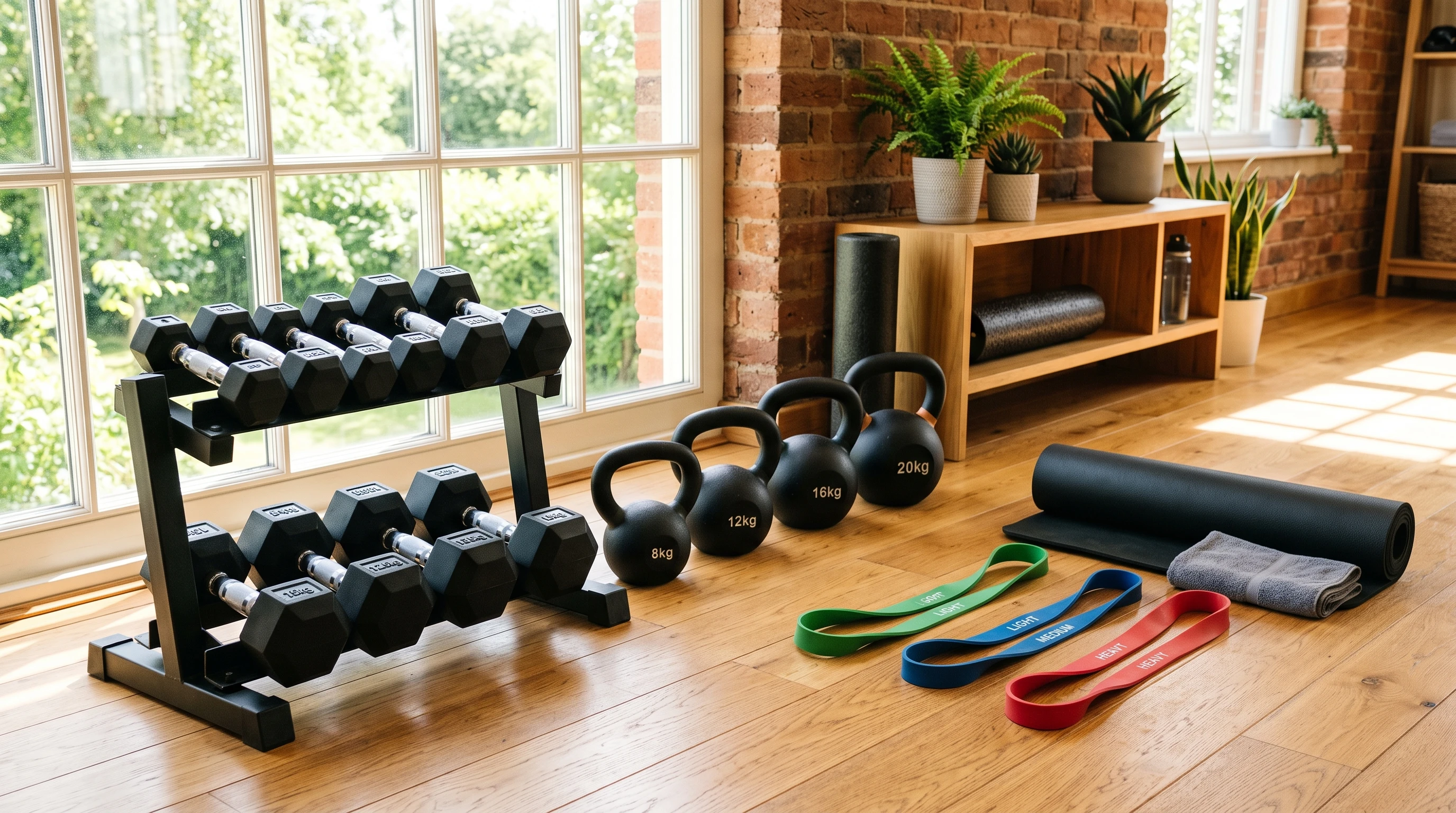
If you haven’t done much strength work before, don’t worry—there’s no need to grab heavy weights or complicated routines. Most basics can be done at home using light dumbbells, resistance bands, or just your own body weight. Here’s a quick list of types of exercises to try:
- Bodyweight movements: Moves like squats, lunges, and wall pushups build strength with little or no equipment.
- Free weights: Dumbbells or kettlebells can be used for controlled lifting exercises like bicep curls and overhead presses.
- Resistance bands: These stretchy bands provide gentle resistance and are especially beginnerfriendly and easy on joints.
- Machines: Most gyms have machines that guide your movements, so they’re safer for older adults, especially for those with balance concerns.
You don’t have to pick just one. Mixing bodyweight moves with bands or light weights keeps things interesting and works more muscle groups.
Making It a Habit: Practical Tips for Older Adults
Starting any new exercise can feel intimidating, but a few simple tips can make it less overwhelming and much more manageable:
- Start light: Use a weight or resistance you can lift comfortably for 10–15 repetitions at a time. Good form always beats heavier weights.
- Focus on form: If possible, work with a trainer at least a few times, or watch high-quality online videos to make sure you’re moving safely.
- Include rest: Don’t train the same muscle groups on back-to-back days. Muscles need time to rebuild and come back stronger.
- Add variety: Switch up your exercises occasionally to keep boredom at bay and ensure you’re working all parts of your body.
Working out with a friend or in a small group adds a fun, social aspect—plus a little motivation to keep showing up!
Common Concerns and Safety Tips
Many older adults worry about getting hurt or making an injury worse. Here are some tips to keep you safe:
- Check with your doctor if you have chronic conditions or are coming back from an injury or surgery.
- A proper warmup, such as brisk walking or gentle stretching, helps ready your muscles and joints.
- Listen to your body. If you feel sharp pain, stop immediately. A little muscle soreness is totally normal, but persistent pain is not and deserves some attention.
- Cool down after each session with light stretching to help ward off stiffness.
Mental and Emotional Benefits
Physical perks get most of the spotlight, but strength training does plenty for your mind, too. Exercise of any kind is linked to less anxiety and depression. For seniors, building strength delivers a sense of achievement. Watching yourself get stronger can seriously boost confidence and may even protect memory and mental sharpness. Recent research has found that consistent exercise reduces the risk of age-related cognitive decline (NIH).
Strength training also fosters a sense of purpose. Setting small fitness goals, chasing progress, and having workout buddies all encourage healthy routines both physically and emotionally.
Real-World Examples: How Strength Training Makes a Difference
I’ve spoken with quite a few older adults who started strength training and were pleasantly surprised by the results. One was thrilled to climb stairs without holding a rail. Another enjoyed longer walks while traveling. Others have picked up hobbies like gardening or dancing again. These changes may not sound extreme, but they really boost daily happiness and independence. Sticking with a routine just twice a week often produces these outcomes.
Popular Strength Training Exercises for Seniors
Here are a few go-to moves when recommending beginner routines to seniors:
- Chair squats: Sitting down and standing up from a sturdy chair—without using hands—targets the legs and hips.
- Wall pushups: Pushups against a wall (instead of the floor) build upper body strength gently.
- Seated bicep curls: Using light dumbbells or even water bottles gives arms a workout and is easy on joints.
- Standing heel raises: Lifting your heels while standing helps build calf muscles and improves balance.
- Resistance band rows: Looping a band at chest height and pulling back strengthens the upper back and shoulders.
Doing a handful of these moves a couple times a week helps train all major muscle groups without feeling overwhelming. For free guides and exercise diagrams, check out resources from the National Institute on Aging.
Answers to Common Questions About Strength Training for Seniors
How often should seniors do strength training?
Most experts recommend two to three times per week, with a day off between sessions. Staying consistent matters more than lifting heavy or working out daily.
What’s better: free weights or machines?
Both are effective. Machines are often safer for those who are new, while free weights and bands are practical for home use. Mixing options keeps things fresh and works the body in different ways.
Do I need a gym membership to start?
No. You can put together a solid home routine with resistance bands and a couple of light weights. Some people do like the variety and social aspect at gyms, so pick whatever helps you stick with it.
When will I start noticing results?
Many people feel a difference in strength and energy within a few weeks. Visible muscle changes usually show up after a month or two, depending on your routine and daily habits.
Final Thoughts
Strength training is a smart, sustainable choice for older adults who want to stay active, independent, and healthy. The improvements appear in everyday life—you might spot more pep in your step, increased steadiness, or the ability to tackle chores that used to feel tough. Getting started doesn’t require fancy equipment or youth on your side. Just a solid plan, some consistency, and a positive attitude can lead to real gains.
If you’re considering taking this step—either for yourself or to help someone else—begin with small changes and build up. The rewards, both physical and mental, make the effort more than worth it, and the benefits keep adding up with every week you stick with your routine.